Ball valves are among the most critical components in process engineering. For procurement teams and EPC plant designers, choosing the correct solution means ensuring operational safety, regulatory compliance, and long-term reliability. This technical guide analyzes the main types of ball valves available on the market, their applications, and the selection criteria that every technician should know.
What Are Ball Valves
A ball valve is a shut-off device that utilizes the rotation of a bored spherical element to control fluid flow. The simplicity of its operating principle contrasts with the complexity of its applications: industrial ball valves operate in extreme environments, from cryogenic temperatures down to -196°C to high temperatures exceeding 500°C, with pressures reaching up to 15,000 psi in API 6A services.
For skid builders and system integrators, the ball valve is not a generic component but a design element that directly impacts safety, the skid footprint, and ease of field maintenance.
Key Ball Valve Configurations
Double Block and Bleed (DBB) and Double Block (DB)
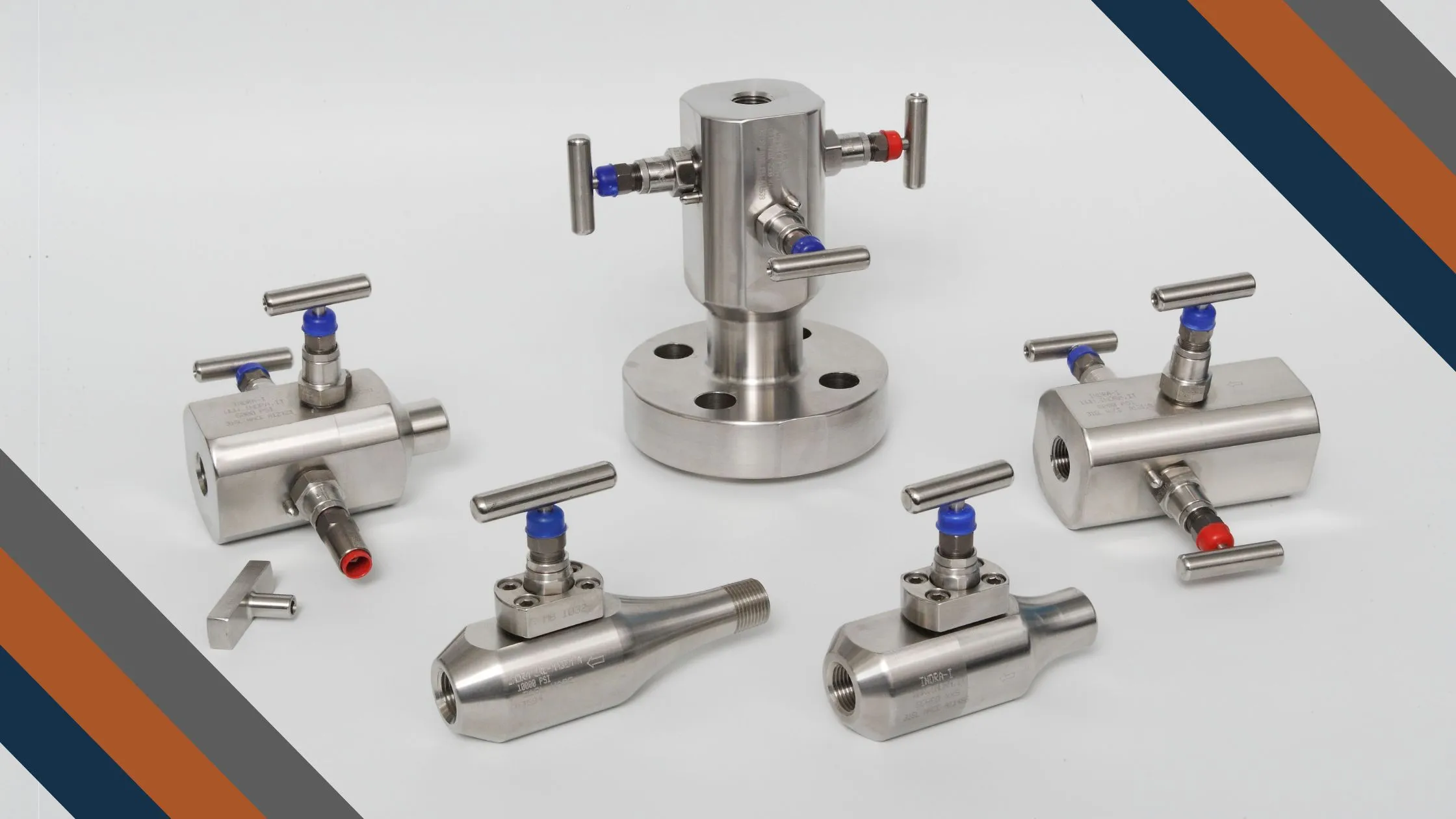
DBB (Double Block and Bleed) valves represent the benchmark solution for critical applications requiring the highest level of safety. The construction principle integrates two independent shut-off elements into a single compact body, with an intermediate vent valve that allows for controlled depressurization and verification of individual seat integrity.
Compared to installing two separate valves in series with an intermediate bleed, the DBB configuration offers concrete, measurable advantages:
- Footprint reduction: A fundamental factor for space-constrained skids and offshore platforms.
- Lower overall weight: Highly relevant for FPSO installations and floating structures.
- Reduction of potential leak paths: Every eliminated flanged connection reduces risk.
- Simplification of the bill of materials: A single tag number, one documentation package, and one testing cycle.
DB (Double Block) valves without a bleed mechanism are available in the same dimensional and rating ranges for applications where the purge function is not required.
Single Block and Bleed (SBB) and Single Block (SB)
SBB (Single Block and Bleed) valves combine a main valve body for flow isolation with one or more integrated vent mechanisms for pressure release or sample extraction. They are ideal compact solutions where the bleed function is required but available space is limited.
The primary advantages over traditional configurations with separate valves include reduced installation costs, a decrease in potential fugitive emissions, and simplified maintenance activities. The SB version (Single Block), without a bleed, is available across a wide range of sizes, ratings, materials, and construction designs.
Integral DBB Valves (Monoblock)
The integral version of the DBB represents the ultimate choice for external safety. The monoblock design eliminates the flanged connections of the valve body, significantly reducing the risk of leakage to the external environment. The body is machined from a single piece of material, eliminating at the root the joints that constitute the most vulnerable points in terms of external tightness.
These valves, featuring dual internal seals, are particularly suited for installations on offshore platforms and FPSOs where space is severely constrained and fugitive emission containment standards are highly stringent.
DBB Valves for Sampling and Injection — Integral Type
A specialized category of growing importance in the petrochemical and oil & gas sectors is the integral version of DBB valves for sampling and injection.
- Sampling DBB valves allow for the extraction of process samples under normal operating conditions—meaning while the process is pressurized and running—ensuring sample representativeness and operator safety.
- Injection DBB valves are specialized process valves used for the safe and controlled introduction of chemicals or other fluids into the process. They combine the safety features inherent to traditional DBB valves with an integrated mechanism for injection.
The integral design of these valves minimizes dead volume, prevents sample contamination, and ensures a robust, leak-tight connection for pulling representative samples from the process. They are highly recommended where sample integrity and operational safety are top priorities.
Specialized Configurations by Application
API 6A Ball Valves
API 6A valves are designed and manufactured in compliance with API Specification 6A—“Specification for Wellhead and Christmas Tree Equipment”—the reference standard for equipment destined for upstream oil and gas, particularly in wellhead applications for controlling and containing high pressures and fluid flow rates.
API 6A ball valves are designed to handle exceptionally high pressures, ranging from 2,000 to 15,000 psi, and a broad temperature range. They are indispensable where conventional valves would fail due to severe pressure and temperature stresses. They are available in all construction configurations: SB, SBB, DB, and DBB, in both floating and trunnion versions.
High-Temperature Ball Valves
High-temperature valves are engineered to operate reliably with fluids (liquids, gases, or slurries) at temperatures typically exceeding 200°C, with applications reaching up to 500°C and beyond in extreme cases.
Unlike standard ball valves—which use soft sealing materials susceptible to thermal degradation—high-temperature valves adopt a metal-to-metal seal. The ball and seats are precision-machined from hardened metals, often coated with highly durable, heat-resistant materials such as Tungsten Carbide Coating (TCC) and Chromium Carbide Coating (CCC), ensuring integrity and sealing capability even under prolonged thermal stress.
Cryogenic Ball Valves: LNG and Liquefied Gases Applications
Cryogenic valves are specialized mechanical devices designed to control the flow of fluids at extremely low temperatures, typically below -196°C (-320.8°F). They are critical components in all sectors dealing with liquefied gases such as:
- Liquefied Natural Gas (LNG)
- Liquid Nitrogen (LIN)
- Liquid Oxygen (LOX)
- Liquid Helium
Cryogenic valves require specific construction features and materials selected to withstand extreme conditions and ensure safe, efficient operation. They are available in all configurations, in floating and trunnion versions, with a monoblock side entry or split body.
Relevant certifications for this category include EN ISO 28921-1 and EN ISO 28921-2 for low-temperature isolation valves for LNG, API 607 and ISO 10497 for Fire Safe Certification, and ISO 15848 and API 641 for fugitive emissions.
Ball Valves for Hydrogen Service
Hydrogen exhibits unique physical characteristics—extremely small molecular size and the potential to cause embrittlement in certain materials—which require a design and material selection specifically tailored compared to standard ball valves used for other fluids.
Valves for hydrogen service must guarantee maximum tightness both externally and across the seat, with careful management of the elastomers and steels utilized. Minimum technical requirements include fugitive emissions certification according to ISO 15848-1 (type approval) and ISO 15848-2 (production certification), alongside specific gas testing.
The increasing role of hydrogen as an energy carrier in the energy transition makes this valve type highly relevant for EPC plant designers and system integrators active in hydrogen production, storage, and distribution.
Selection Criteria for Procurement and EPC Technicians
The correct selection of a ball valve stems from a systematic analysis of process and technical variables. Here are the primary parameters to evaluate:
- Fluid Type and Service: The process fluid dictates the material selection for the body, seats, and seals. Corrosive, cryogenic, high-temperature, or hazardous services like hydrogen demand dedicated solutions.
- Design Pressure and Temperature: The pressure-temperature rating (P-T rating) must cover normal operating conditions and upset scenarios with an adequate margin. ANSI ratings range from PN 6 up to ANSI 2500 and beyond for API applications.
- Construction Configuration: The choice among single ball, double block, integral, or split body depends on safety requirements, available footprint, and maintenance needs.
- Sealing Type: Soft seats (PTFE, PEEK, elastomers) guarantee Class VI tightness (zero leakage) but have temperature limitations; metal seats are required for high temperatures and cryogenic services.
- Connections: Threaded, welded (BW, SW), flanged, or hubbed based on the project piping standard and installation needs.
- Actuation: Manual (lever, handwheel, gear) or actuated (pneumatic, electric, hydraulic) depending on actuation frequency, accessibility, and Safety Instrumented System (SIS) requirements.
- Required Certifications: PED 2014/68/EU, ATEX 2014/34/EU, API 607/6FA (fire safe), ISO 15848 (fugitive emission), API 6A for wellheads, and cryogenic certifications for LNG.
Materials: Selection and Performance Impact
Material selection is a critical aspect of specifying an industrial ball valve. The main options available include:
- Carbon Steel (typically ASTM A105/A350 LF2): For standard services at moderate temperatures, this is the most cost-effective and common solution in the oil & gas sector.
- Stainless Steels: In austenitic variants (e.g., AISI 316) for corrosion resistance, or duplex and super duplex for environments containing chlorides or highly aggressive services.
- Special Alloys (Inconel 625/718): For services with high H2S concentrations, highly corrosive environments, or extreme temperatures.
Material sourcing is a parameter that procurement teams must monitor closely, both to ensure the traceability required by international standards and to secure the quality and metallurgical consistency of the finished product.
Testing and Certifications: What to Verify Before Ordering
For a structured procurement team, the qualification process of a ball valve supplier must include verification of their in-house testing capabilities. Essential tests that should be executed internally by the manufacturer comprise:
- Fugitive Emission test (production and prototype)
- TAT test (Type Approval Test)
- PR2F Test
- Cryogenic Test (production and prototype)
- High Temperature Test (up to 650°C)
- High Pressure Gas Test (up to 15,000 PSI in a dedicated bunker)
- NDTs: PMI, UT, DP, MP, and HRC hardness testing
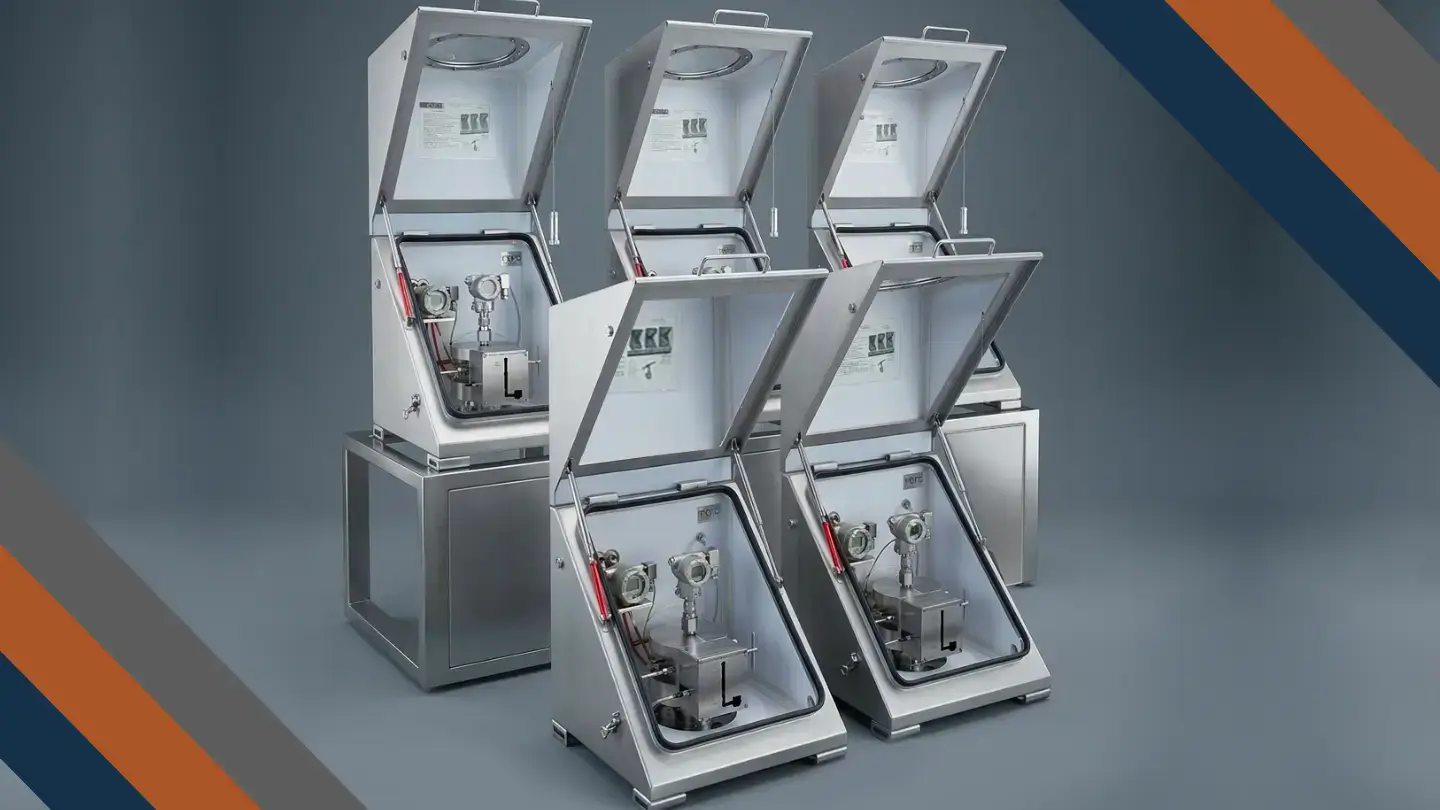
The availability of a high-pressure gas test bunker, a cryogenic tank, and a climatic chamber for PR2F and TAT testing guarantees that the supplier can validate every product internally before delivery, without relying on external laboratories which can negatively impact lead times.
Product certifications that a qualified supplier should possess include: ISO 10497 – API 607 – API 6FA, EN ISO 15848-1/15848-2, PED Directive 2014/68/EU, ATEX Directive 2014/34/EU, EAC-CU-TR certifications for ex-CIS markets, CRN for the Canadian market, and IACS and UNI EN 14141.
Tailor-Made Solutions: When Standard Catalogs are Not Enough
In complex EPC projects or applications with non-standard requirements, a supplier’s ability to develop tailor-made solutions is a major competitive differentiator. This approach implies a structured process that starts with an in-depth analysis of customer requirements and moves through customized engineering, special material selection, custom configurations, dedicated testing, and automation integration.
Examples of custom solutions often requested in the EPC domain include: twin compact DBB valves for extreme space-constrained installations, hybrid multiway manifolds integrating functions normally distributed across multiple components into a single block, high-temperature valves with customized connections for specific piping needs, actuated valves with interfaces for specific control systems, and DBB valves with integral tubing connections to eliminate additional fittings.
This design flexibility is particularly valued by skid makers, who frequently need to optimize component layouts to comply with dimensional and weight constraints imposed by end clients.
Conclusions
Selecting ball valves for industrial applications is a process requiring cross-functional technical skills and deep knowledge of applicable regulations. For procurement teams and EPC designers, the key criteria remain: correct identification of the construction configuration (SB, SBB, DB, DBB, integral), appropriate material selection for the service, compliance with design pressure-temperature ratings, verification of required certifications, and evaluation of the supplier’s testing capabilities.
A manufacturer with a fully in-house production process—from engineering and machining to final testing—offers superior guarantees regarding quality control, traceability, and adherence to lead times. In an industry where the reliability of a single component can dictate a plant’s operational continuity, choosing a ball valve supplier is a decision that must be made with the same rigor reserved for other critical process assets.
For detailed technical information on our ball valves or for support in selecting the most suitable product for your application, please contact our technical team.